Pumpkindrop Typeface: A Designer’s Guide to Playful Brand Identity
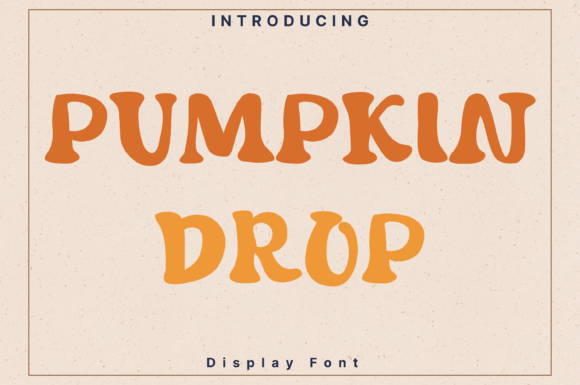
I opened a blank Figma file this morning, staring at a white canvas that felt heavier than usual. The client was a small-batch skincare brand launching a new autumn collection, and they wanted warmth without looking childish. They used words like "organic," "soft," and "whimsical." As I scrolled through my local font library, Pumpkindrop caught my eye. It isn’t just another trendy typeface; it is a playful display font that captures the warmth and whimsy of hand-drawn lettering. Its smooth, rounded letterforms and organic curves create a friendly and approachable vibe, while maintaining enough structure to feel professional. This article shares how I integrated Pumpkindrop into a real branding project, from the initial mood board to final packaging mockups.
Pumpkindrop for Skincare Packaging and Product Labels
When designing product labels, the typography must communicate the brand’s personality instantly. Pumpkindrop excels in this niche because its visual weight is substantial yet inviting. In my recent project, we used the font for the main product name on amber glass bottles. Because it is a display font, it commands attention without shouting. The rounded edges soften the message, making the product feel gentle on the skin before the customer even touches it. Unlike rigid sans serif fonts that can feel clinical, Pumpkindrop adds a human touch. When paired with minimalist line art illustrations, the font anchors the design, ensuring the label looks cohesive rather than cluttered. For small business owners looking to stand out on crowded shelves, choosing a creative font with distinct character can significantly boost shelf appeal.
Pumpkindrop in Social Media Graphics and Digital Marketing
Social media platforms are dominated by visual noise, so grabbing attention requires more than just a pretty image. We tested Pumpkindrop across various Instagram templates for the skincare brand’s launch campaign. The font performed exceptionally well as a headline font on square posts and story overlays. Its organic curves contrast beautifully with sharp photographic elements, creating a dynamic visual hierarchy. When we placed Pumpkindrop over soft-focus background images, the text remained legible and readable, provided we added a subtle drop shadow or semi-transparent backing. For marketers and content creators, using a commercial font that feels handmade can increase engagement by making digital ads feel more authentic and less corporate. The versatility of these fonts allows them to bridge the gap between polished design and relatable content.
Pumpkindrop for Editorial Design and Blog Headers
Beyond packaging and social media, typography plays a crucial role in editorial design. Our client also needed headers for their blog and email newsletters. While Pumpkindrop is primarily a display font, we experimented with using it for short-form text such as pull quotes and section dividers. The result was a publication style that felt curated and personal. However, we avoided using it for body copy, as the rounded forms can reduce readability over long passages. Instead, we paired it with a clean, modern sans serif font for paragraphs. This combination highlights the best of both worlds: the whimsy of Pumpkindrop for headlines and the clarity of a standard typeface for reading. This strategy ensures that the brand voice remains consistent across different mediums, from print magazines to digital articles.
Pumpkindrop Pairing Strategies with Serif and Sans Serif Fonts
Selecting the right companion typeface is one of the most critical steps in building a brand identity. Pumpkindrop has strong visual personality, so it needs a neutral partner to balance the composition. In our project, we tested several combinations. A classic serif font worked surprisingly well when we wanted to evoke a sense of tradition and luxury, contrasting the modern playfulness of Pumpkindrop. Alternatively, a geometric sans serif font created a more contemporary, tech-forward look. We found that avoiding other handwritten fonts was essential; stacking two decorative typefaces often leads to visual chaos. By keeping the supporting typography simple, Pumpkindrop remains the star of the design system. This approach is particularly effective for creative studios and boutique agencies who want to showcase their unique style without overwhelming the viewer.
Pumpkindrop for Logo Design and Brand Mark Integration
Can a display font work as a logo? Absolutely, if executed correctly. During the logo design phase, we explored wordmarks using Pumpkindrop. The font’s unique letter shapes, particularly the 'P' and 'd', offered interesting opportunities for custom ligatures and kerning adjustments. We slightly exaggerated the spacing between letters to give the logo a breathable, premium feel. When scaled down for favicon use or app icons, the rounded forms held up well, maintaining recognition even at small sizes. For entrepreneurs and startups, investing in a custom logotype based on a high-quality font can save money compared to commissioning a completely original illustration. It provides a quick way to establish brand equity and visual consistency across all marketing materials.
Pumpkindrop Considerations for Web Design and UI Elements
Incorporating decorative fonts into web design requires careful consideration of load times and rendering. Pumpkindrop is available in standard web font formats, making it easy to implement via CSS. We used it sparingly on the client’s website, primarily for the hero section header and call-to-action buttons. The font’s friendly vibe helped lower the barrier to entry for visitors, making the site feel welcoming. However, we ensured that navigation menus and footer links used a highly legible sans serif font to maintain usability standards. For developers and web designers, testing the font across different browsers and devices is crucial. The smooth curves of Pumpkindrop may render differently on mobile screens compared to desktop monitors, so adjusting font weights and sizes for responsive design is a necessary step to ensure a seamless user experience.
Pumpkindrop Licensing and Commercial Use Guidelines
Before deploying any typeface in a client project, verifying the license is non-negotiable. Pumpkindrop is sold as a commercial font, which typically covers usage in logos, websites, and printed marketing materials. It is important to read the specific terms regarding merchandise, such as t-shirts or mugs, if the brand plans to sell branded goods. Understanding the difference between a personal use license and an extended commercial license can prevent legal issues down the road. For freelancers and agencies, purchasing a proper license ensures that you are ethically compensating the type designer and protecting your client from copyright infringement claims. Always check the included file formats and whether the package contains multiple weights or alternate glyphs that could add value to your design assets.
Pumpkindrop Testing Workflow for Final Brand Materials
The final stage of our project involved stress-testing the font in real-world scenarios. We printed physical mockups of business cards, flyers, and product boxes to see how the ink interacted with the paper stock. On textured paper, the fine details of Pumpkindrop’s curves softened slightly, which actually enhanced the rustic, handmade aesthetic the client desired. On glossy cardstock, the black ink appeared crisp and vibrant. We also created digital templates for the client’s team to use in Canva or Adobe Illustrator, ensuring that they knew how to pair Pumpkindrop with other brand elements. This practical advice helps clients maintain brand consistency even when they are not working directly with a designer. By providing clear guidelines and high-quality files, we empowered the client to produce professional-looking materials independently.
Pumpkindrop for Event Posters and Seasonal Campaigns
Seasonal marketing campaigns often require a shift in tone to match holidays or special events. Pumpkindrop’s inherent warmth makes it ideal for autumn-themed designs, but its versatility extends to other seasons as well. We used variations of the font for a holiday sale poster, changing the color palette from earthy oranges to festive reds and greens. The font’s playful nature lent itself well to promotional graphics, discounts, and limited-time offers. For event planners and party hosts, using a creative font like Pumpkindrop can set the mood immediately. Whether it is a birthday invitation, a workshop flyer, or a conference banner, the font adds a layer of personality that standard typefaces lack. Its ability to convey emotion quickly makes it a valuable tool in any designer’s toolkit.
Pumpkindrop Impact on Audience Engagement and Brand Perception
Typography is never just about aesthetics; it influences how audiences perceive a brand. Studies in psychology suggest that rounded letterforms are associated with friendliness, safety, and approachability. By choosing Pumpkindrop, our client subtly communicated that their products were safe, gentle, and made with care. This aligns perfectly with the values of the skincare industry, where trust is paramount. When customers see a brand identity that feels thoughtful and detailed, they are more likely to engage with the content and consider a purchase. The right font choice can differentiate a brand in a saturated market, turning casual browsers into loyal customers. For small business owners, understanding the emotional impact of typography is a powerful strategy for growth.