Toolap Typeface for Chilling Brand Identity Design
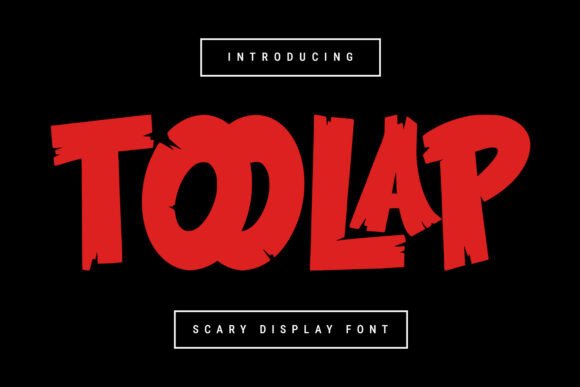
The blank artboard stared back at me, white and unforgiving. I was working on a rebrand for a local independent cinema that wanted to move away from its generic, family-friendly image and embrace a darker, more cinematic aesthetic. They wanted something that felt like stepping into a thriller movie—bold, haunting, and impossible to ignore. Most typefaces felt too friendly or too corporate. Then I dragged Toolap onto the canvas. It wasn’t just a font; it was an atmosphere. With sharp edges, eerie curves, and a dramatic style, this display font immediately shifted the mood of the entire project.
As a graphic designer, I spend hours testing fonts before committing to a brand system. Usually, I look for versatility and clean legibility. But for this specific creative direction, I needed character. I needed a voice that whispered danger. Toolap delivered exactly that. In this breakdown, I’ll walk you through how I integrated this bold and haunting typeface into a real-world branding project, exploring why certain Fonts work best for high-impact visual storytelling and how you can apply similar strategies to your own design assets.
Why Toolap is Ideal for Horror-Themed Design Projects
When we talk about horror-themed design, we aren’t just talking about jump scares; we are talking about tension, mystery, and psychological unease. Toolap excels in this niche because its letterforms possess a jagged, organic quality that feels hand-carved yet digitally precise. The sharp edges create a sense of aggression, while the eerie curves suggest movement, as if the letters are shifting in the dark.
In my initial mockups, I placed Toolap over a textured, grainy background representing old film stock. The contrast between the sleek digital rendering and the gritty texture created a compelling visual hierarchy. This isn’t a font you use for body text or long paragraphs. It is strictly a Display font meant to grab attention instantly. Whether you are designing a poster for a Halloween event, a logo for a heavy metal band, or packaging for a spooky seasonal product, Toolap provides that immediate emotional hook. Its dramatic style ensures that even at small sizes, the personality of the brand remains intact, which is crucial for merchandise and social media graphics where space is limited but impact must be high.
Integrating Toolap into a Complete Brand Identity System
One common mistake designers make is letting a strong display font dominate every element of a brand identity. While Toolap is powerful, it needs support to function as a complete system. For the cinema project, I used Toolap exclusively for headlines, titles, and key logos. To balance its intensity, I paired it with a clean, neutral sans serif font for all informational content like showtimes, ticket prices, and staff bios.
This approach demonstrates effective font pairing. The sans serif provided the necessary readability and calm, allowing Toolap to shine without overwhelming the user. If you were using Toolap for a boutique skincare brand with a "witchy" aesthetic, you might pair it with an elegant script font for secondary accents, creating a juxtaposition between the harshness of the horror theme and the softness of self-care. The key is to let Toolap be the protagonist of your typography, not the entire cast. By reserving it for short-form text, you maintain professionalism while still leveraging its unique character. This strategy works equally well for editorial design, where headlines need to pop against article text, or for web design, where hero sections require immediate visual engagement.
Testing Toolap on Physical Mockups and Digital Assets
Digital screens can be deceiving. A font that looks sharp on a monitor might lose its edge when printed or applied to three-dimensional objects. Early in the process, I exported the Toolap logo onto various mockups to test its versatility. I placed it on a matte black business card, a glossy product label, and a large outdoor banner.
On the business card, the sharp edges of the Toolap letters caught the light subtly, adding a tactile dimension to the design. On the product label, the eerie curves wrapped beautifully around the contour of a bottle, proving that this typeface works well in curved layouts. However, I noticed that on the large outdoor banner, some of the finer details got lost in the distance. This taught me a practical lesson: always test your chosen Fonts at their intended final size. For distant viewing, you may need to increase the weight or simplify the kerning slightly. These small adjustments ensure that the chilling atmosphere remains clear rather than becoming muddy. This step is vital for any commercial design asset, ensuring that your investment in the typeface pays off across all mediums.
Practical Considerations for Commercial Licensing and File Formats
Before downloading any premium font, it is essential to review the technical specifications and licensing terms. For projects involving merchandise sales, such as t-shirts or mugs featuring Toolap, you will likely need an extended commercial license. Always verify whether the license covers physical goods, digital templates, or both. Additionally, check the included file formats. Modern design workflows often require OTF, TTF, and sometimes WOFF/WOFF2 files for web use. Ensuring you have the right formats prevents headaches during the implementation phase.
Another critical factor is multilingual support. If your client targets an international audience, you need to know if Toolap includes accented characters and special symbols. While many creative fonts focus primarily on basic Latin, having broader language support expands your potential client base. Furthermore, explore the alternate glyphs and ligatures available in the font file. Sometimes, swapping a standard 'A' for a stylized alternate can add a unique touch to a logo mark. Taking the time to explore these features allows you to maximize the value of your purchase, turning a simple typeface into a bespoke design tool.
How to Start Using Toolap in Your Next Creative Project
If you are looking to inject drama and intrigue into your next branding project, Toolap offers a distinct advantage. It is not just another decorative font; it is a narrative device. Whether you are designing flyers for a haunted house attraction, headers for a true-crime blog, or labels for artisanal candles with a gothic twist, this typeface sets the tone instantly. I recommend starting small. Try using Toolap for a single Instagram post header or a one-page portfolio piece. Observe how it interacts with your imagery and color palette.
Remember that good design is about intentionality. Use Toolap to evoke a specific feeling—fear, excitement, mystery, or awe. When combined with thoughtful layout and complementary typography, it becomes a cornerstone of a memorable brand identity. Don't be afraid to experiment with scale, color, and texture. Let the sharp edges cut through the noise and the eerie curves draw your audience in. By treating Toolap as a central element of your visual strategy, you can create designs that are not only seen but felt. Explore the full range of its capabilities and see how this bold and haunting typeface can transform your creative projects from ordinary to unforgettable.