Merimon: The Handwritten Display Font for Authentic Brand Identity
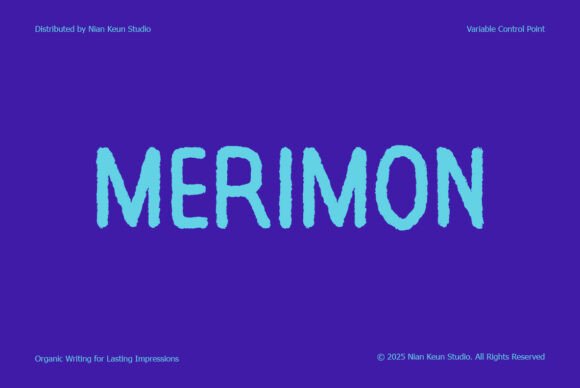
I remember the exact moment I realized my bakery’s packaging looked cheap. It wasn’t the quality of the sourdough or the warmth of the service that was lacking; it was the typography on the kraft paper bags. My text felt generic, printed by a machine that didn’t care about the story behind every loaf. I wanted something that felt like it had been written by hand, something with soul. That search led me to Merimon, a raw yet refined handwritten display font, designed to embody organic texture and authentic imperfection. Each stroke feels hand-shaped, giving your designs a natural voice that breaks away from the sterile perfection of standard corporate typefaces.
As a small business owner, I learned quickly that customers don’t just buy products; they buy feelings. When I switched to Merimon for my labels, menus, and social media graphics, the shift was immediate. It wasn’t just a font change; it was a brand upgrade. If you are looking to give your handmade goods, boutique items, or creative services that personal touch, understanding how to use this specific type of Display font can transform your visual presence.
Why Merimon Elevates Packaging Design for Small Businesses
The first place I applied Merimon was on product labels, and it made all the difference. Whether you are selling skincare, candles, or baked goods, your packaging is often the first physical interaction a customer has with your brand. Standard sans-serif fonts can feel cold, but Merimon brings an immediate sense of craft and care. Because it is a handwritten font with organic texture, it mimics the look of real ink on paper, which subconsciously signals to buyers that your product is artisanal and thoughtfully made.
When designing packaging, readability is key, but personality is king. Merimon works beautifully for short phrases, brand names, and decorative accents on jars, boxes, and tags. Its "raw yet refined" nature means it doesn’t sacrifice legibility for style. You can use it for the main title on a candle jar label, where the thick strokes stand out against the background, while pairing it with a clean sans serif font for the ingredient list. This combination ensures that your design looks professional and trustworthy without losing that warm, human element that makes people want to support small businesses.
Using Merimon for Social Media Graphics and Digital Ads
In the digital world, scrolling past thousands of images happens in seconds. To stop the scroll, your visuals need to pop. I started using Merimon for my Instagram stories and Pinterest pins, specifically for headers and quote cards. As a display font, it commands attention. The unique shapes of the letters create a visual rhythm that guides the eye across the screen.
For example, when I posted a behind-the-scenes photo of my workshop, I overlaid the text "Handcrafted with Love" using Merimon. The slight imperfections in the strokes gave the image an authentic vibe that resonated with my audience far more than a crisp, digital Arial would have. When creating digital ads or website banners, Merimon helps establish a consistent brand identity. It tells your visitors that you are approachable and genuine. However, because it is a decorative typeface, it is best used for headlines rather than long paragraphs. Keep your body text simple so that Merimon can shine as the star of your digital communications.
Merimon for Wedding Invitations and Elegant Event Branding
While I run a bakery, many of my clients come to me for event-related treats, which meant I needed a font that could handle more formal occasions. Merimon proved surprisingly versatile. Despite its "raw" description, its refined qualities make it suitable for wedding invitations, save-the-dates, and event signage. The organic texture adds a bohemian or rustic elegance that is currently very popular in modern wedding trends.
When working with couples or event planners, offering materials that feature Merimon sets you apart. Imagine a menu card for a reception where the headings are in Merimon, paired with an elegant serif font for the course descriptions. The contrast between the structured serif and the free-flowing handwritten style creates a sophisticated hierarchy. It shows attention to detail. For boutique owners or photographers, incorporating Merimon into your client packages—such as thank-you cards or digital galleries—adds a layer of personalized luxury that clients appreciate and remember.
Font Pairing Strategies for Consistent Brand Identity
One of the biggest mistakes new entrepreneurs make is using too many fonts. A cohesive brand identity relies on restraint. Merimon is a strong character, so it needs a partner that lets it breathe. I recommend pairing Merimon with a clean sans serif font for body text. The neutrality of a sans serif balances the expressive nature of the handwritten display, ensuring your information remains easy to read.
Alternatively, if you want a more classic look, pair it with an elegant serif font. This combination works wonderfully for editorial design, such as blog posts or magazine-style layouts on your website. The key is to maintain a clear distinction between your headline font (Merimon) and your supporting typography. By sticking to two complementary styles, you create a visual language that is instantly recognizable. Over time, customers will see that specific combination of rough, hand-shaped strokes and clean lines and associate it directly with your business.
Practical Tips for Using Merimon in Commercial Projects
Before you start designing, it is crucial to understand the technical aspects of the font file. Always check the included styles, weights, and alternates. Some versions of Merimon might include special ligatures or alternate characters that add extra flair to your designs. These details can elevate a simple logo or sticker design from good to exceptional.
Furthermore, ensure you have the correct commercial font licensing. If you are using Merimon on products you sell, such as merchandise, templates, or client work, you must adhere to the license agreement. Most premium fonts require a commercial license for these uses. Understanding these rules protects your business from legal issues and supports the designers who create these valuable assets. Also, consider multilingual support if you plan to expand your reach. Check if the font includes accented characters for European languages, which is essential for international e-commerce.
Readability and Scale: Making Merimon Work for Your Business
Typography is not just about aesthetics; it is about communication. While Merimon is beautiful at large sizes, its organic texture can become muddy if scaled down too much. For small labels, mobile screens, or product mockups, test your design thoroughly. Use Merimon for the brand name or main header, but switch to a simpler font for any detailed text like addresses or fine print.
This approach ensures that your brand remains accessible to all customers, including those with visual impairments. It also maintains professionalism. A design that is hard to read can frustrate potential buyers and lead to abandoned carts or confused inquiries. By strategically placing Merimon where it has the most impact—on headers, logos, and short phrases—you maximize its effectiveness without compromising clarity. This balance is what separates amateur designs from polished, professional brand identities.
Conclusion: Investing in Typography for Long-Term Growth
Choosing the right fonts is one of the highest-ROI decisions a small business owner can make. Merimon offers a unique blend of authenticity and refinement that helps brands stand out in a crowded market. Whether you are updating your café menu, redesigning your online shop graphics, or creating custom stickers, this typeface provides the "natural voice" your brand needs to connect with customers on a deeper level. By investing in high-quality, purposeful typography, you are not just decorating your business; you are building a memorable, trustworthy, and enduring brand identity.