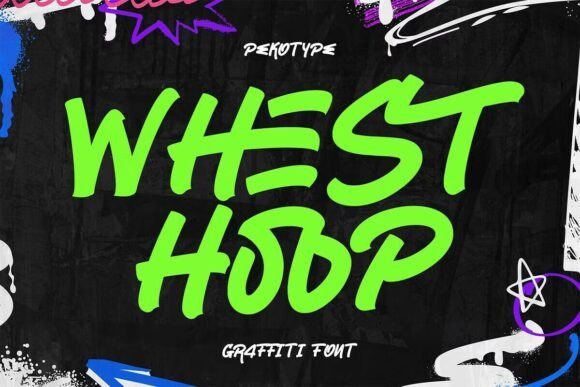
Whest Hoop: A Bold Graffiti Display Font for Urban Editorial Design
Whest Hoop is a striking typeface that brings raw, street-level energy to digital and print layouts, offering editorial designers a powerful tool for creating memorable visual hierarchies. When you are designing content that needs to cut through the noise of crowded feeds or cluttered magazine pages, Whest Hoop provides the immediate impact required to grab attention without sacrificing legibility in short-form contexts. This bold graffiti display font blends street-style attitude with modern versatility, making it an ideal choice for creators who want their publications to feel authentic, dynamic, and culturally relevant.
Using Whest Hoop for Magazine Covers and Digital Headers
The first impression of any publication relies heavily on its headline treatment, and Whest Hoop excels as a primary display font for magazine covers and high-impact blog headers. Its thick, expressive strokes mimic the energy of city walls and skate culture, allowing editors to create titles that feel urgent and alive. For lifestyle bloggers or digital zines focusing on youth culture, fashion, or urban art, this font serves as a strong brand anchor that signals rebellion and creativity. Unlike traditional serif fonts that might feel too formal, Whest Hoop introduces a playful yet serious tone that resonates with audiences seeking authenticity. When used for main headlines, the font’s unique character shapes ensure that your article titles stand out in social media previews and email newsletter subject lines, driving higher click-through rates by promising a vibrant reading experience.
Enhancing Quote Graphics and Social Media Content Branding
In the realm of social media graphics and printable lead magnets, Whest Hoop transforms simple text into eye-catching visual assets that encourage sharing. Editorial designers often struggle to balance readability with aesthetic flair when creating quote cards for Instagram or Pinterest, but this font offers a solution that bridges the gap between artistic expression and clear communication. By applying Whest Hoop to pull quotes or key takeaways, you can emphasize the emotional weight of a statement, using its graffiti-inspired texture to add depth and personality. This approach works exceptionally well for coaching workbooks, motivational ebooks, and creator newsletters where the goal is to inspire action. The font’s modern versatility ensures that it does not look dated quickly, allowing brands to maintain a consistent, trendy identity across multiple platforms while keeping their audience engaged with fresh, bold visuals.
Integrating Whest Hoop into Ebook Titles and Chapter Openers
For ebook creators and self-publishing authors, typography plays a crucial role in setting the mood before the reader even begins the story or lesson. Whest Hoop is particularly effective for ebook titles, subtitles, and chapter openers where you want to establish a specific atmosphere—such as adventure, urban drama, or creative non-fiction. Because it is a display font, it should be used sparingly rather than for body copy, ensuring that the text remains accessible while still delivering a strong stylistic punch. Pairing Whest Hoop with a clean sans serif font for the main text creates a sophisticated contrast that guides the reader’s eye through the narrative structure. This combination allows the boldness of the title to command attention, while the neutral body text ensures comfortable long-form reading on screens and in print. Such thoughtful font pairing enhances the professional quality of your digital product, signaling to buyers that the content inside is carefully crafted and visually appealing.
Supporting Visual Hierarchy in Printable Guides and Worksheets
When designing printable guides, planners, or educational worksheets, establishing a clear visual hierarchy is essential for user engagement and comprehension. Whest Hoop can serve as an excellent accent typography element for section headings, task lists, or call-out boxes within these documents. Its graffiti roots bring an informal, approachable vibe that can make instructional content feel less rigid and more inviting. For instance, in a recipe ebook or a fitness challenge workbook, using Whest Hoop for ingredient lists or daily goals adds a layer of fun and energy that motivates users to interact with the material. However, it is important to consider screen reading and PDF export quality; while the font is bold and distinct, it may lose detail at very small sizes. Therefore, reserve Whest Hoop for larger text elements where its intricate details can be appreciated, ensuring that the overall layout remains balanced and easy to navigate for the end-user.
Ensuring Commercial Viability and Proper Licensing for Fonts
As a publisher or independent content creator, understanding the licensing terms of Whest Hoop is critical for protecting your business and respecting intellectual property rights. Whether you are using the font for client publications, paid newsletters, or commercial templates sold on marketplaces, you must ensure you have the appropriate commercial license. This font’s ability to convey a specific subculture aesthetic makes it valuable for niche branding, but it also means that proper attribution and usage rights are paramount. Before deploying Whest Hoop in any revenue-generating project, verify the included styles, alternates, and multilingual support to ensure it meets your technical requirements. By choosing a premium font with clear licensing guidelines, you invest in the longevity and professionalism of your design assets, allowing you to focus on creating compelling content without legal concerns. Ultimately, Whest Hoop offers a unique blend of urban spirit and editorial utility, making it a worthwhile addition to any designer’s toolkit for creating impactful, modern publications.