Whereva Typeface: A Designer’s Take on Dynamic Branding
I was staring at a blank Figma board, trying to crack the visual identity for a new local coffee roaster. The brief was simple but tricky: they wanted something that felt energetic and modern, yet approachable. They didn’t want another minimalist sans-serif or a stiff traditional serif. They wanted energy. That’s when I pulled up Whereva. It wasn’t just another typeface in my library; it felt like the missing piece of the puzzle. If you are a graphic designer tired of playing it safe with generic fonts, this Display font might be exactly what your next project needs.
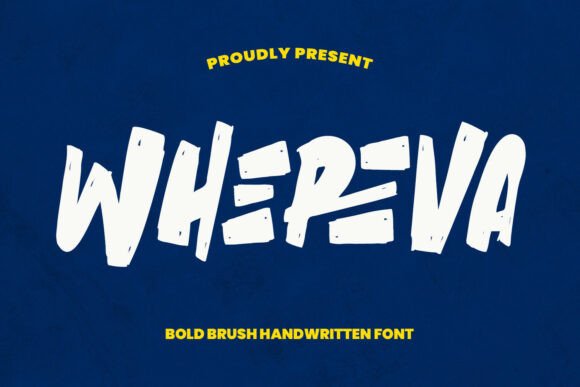
From the moment I dropped the primary headline into the mockup, the mood shifted. Whereva font offers an expressive, energetic, and modern feel, which immediately grabbed attention without screaming for it. The dynamic brush strokes give it a hand-crafted vibe that feels authentic in a digital-first world. In this article, I’ll walk you through how I integrated this font into a real branding workflow, from initial concepts to final deliverables, so you can see if it fits your creative toolkit.
Whereva for Poster Designs and Event Graphics
When I first tested Whereva, I started with poster designs because its bold personality shines brightest in large formats. Posters demand immediate impact, and this font delivers it through its fluid, brush-like letterforms. Unlike rigid geometric fonts, Whereva has movement. It looks like it was painted in one swift motion, which adds a layer of human touch to digital files.
- Visual Impact: The thick and thin variations in the stroke weight create natural contrast, making headlines pop against busy backgrounds.
- Versatility: Whether designing for a music festival, a community workshop, or a product launch, the font adapts well to various themes.
- Energy Transfer: It conveys excitement and creativity, which is crucial for event marketing where you need to drive foot traffic or ticket sales.
In my client project, we used Whereva for the main event title on a series of flyers. The dynamic brush style prevented the design from looking too corporate. Instead, it felt like an invitation to something fun and unscripted. For designers working in editorial design or print media, this font can break up monotony and add a splash of color even when printed in black and white.
Whereva for Branding and Visual Identity Systems
Building a brand identity requires more than just a logo; it needs consistency across all touchpoints. Whereva proved to be surprisingly versatile when applied to a full brand system. While many display fonts are too ornate for secondary text, Whereva strikes a balance between artistic flair and readability. I used it for the logo mark, social media headers, and even packaging labels.
The key to using a font like Whereva in branding is understanding its role as a creative font rather than a body text solution. I paired it with a clean, neutral sans serif font for paragraphs and fine print. This combination allowed the brand voice to remain energetic (thanks to Whereva) while maintaining professionalism and clarity (thanks to the supporting typography). This pairing strategy is essential for small business owners who want their brand to look established and trustworthy, not chaotic.
When I placed the Whereva logo on a matte black business card, the texture of the paper complemented the rough edges of the brush strokes. It created a tactile experience that digital screens often miss. For entrepreneurs looking to stand out in crowded markets, investing in a unique typeface like this can elevate perceived value instantly.
Whereva for Merchandise and Apparel Design
One of the most exciting applications I found for Whereva was in merchandise and apparel design. T-shirts, tote bags, and stickers are huge revenue streams for creative businesses, and the right font can make or break the sale. Because Whereva has such a distinct character, it works exceptionally well as a standalone graphic on fabric.
- Print-Ready Quality: The vector nature of these Fonts ensures crisp edges when scaled up for large prints on hoodies or banners.
- Trend Alignment: The "brush" aesthetic aligns perfectly with current streetwear and lifestyle trends that favor handmade, artisanal looks.
- Merch Appeal: Customers are drawn to products that look curated and intentional. Whereva provides that sense of intention.
I mocked up a line of reusable coffee cups featuring Whereva for the brand name. The energetic flow of the letters wrapped nicely around the cylindrical shape, creating a dynamic visual rhythm. For crafters and hobbyists selling on platforms like Etsy, using a premium font like Whereva signals quality. It tells the buyer that care was put into the details, which justifies a higher price point.
Whereva for Music Covers and Digital Content
Digital creators also benefit greatly from the specific qualities of Whereva. Music covers, podcast thumbnails, and YouTube banners require text that is legible at small sizes but still impactful. The expressive nature of this font makes it ideal for album art or single covers where the typography is the central visual element.
The dynamic brush style adds a layer of depth that flat, standard fonts lack. When I tested Whereva on a dark-mode social media post, the negative space within the letters created interesting shadows and highlights. This is particularly useful for content creators who need to stop the scroll. In a feed filled with polished, sterile images, a font with raw energy stands out.
Furthermore, the modern feel of Whereva ensures it doesn’t look dated quickly. Trends in digital design shift rapidly, but a well-executed brush script tends to have longevity. By incorporating Whereva into your digital templates, you maintain a consistent brand voice across Instagram, TikTok, and email newsletters.
Practical Tips for Integrating Whereva into Your Workflow
If you are considering adding Whereva to your commercial font collection, here are some practical observations from my testing process. First, always check the included styles. Does it come with multiple weights? Are there alternate characters or ligatures that add extra flair? These features can save you time during the design phase.
Secondly, consider the file formats. High-quality Fonts should come in standard formats like OTF and TTF, ensuring compatibility with Adobe Creative Cloud, Affinity Suite, and other major design software. Also, verify the licensing terms. For client work, you need assurance that the commercial font license covers the intended use, whether it’s web design, print runs, or merchandise.
Finally, test before you commit. Create a mini brand board with Whereva alongside your potential pairings. See how it behaves in different contexts—on a website header, on a product label, and in a mobile app interface. This font is not a one-size-fits-all solution, but for projects requiring a burst of personality, it is hard to beat.
In conclusion, Whereva is more than just a decorative typeface; it is a tool for storytelling. It brings energy, modernity, and expression to any design project. Whether you are crafting a brand identity for a startup, designing posters for a local event, or creating merchandise for your online store, Whereva provides the visual punch needed to connect with your audience. For designers seeking a reliable, expressive, and modern addition to their arsenal, this Display font is a strong candidate worth exploring.