Unlock Humanity Typeface Review: Medieval Blackletter for Modern Brands
I was staring at a blank Figma canvas, trying to find the right visual anchor for a boutique skincare brand that wanted to feel ancient yet accessible. The brief called for something with weight and history, but nothing too intimidating. That’s when I pulled Unlock Humanity into the mix. It wasn’t just another decorative typeface; it felt like a deliberate choice. As an experienced brand designer, I’ve tested countless display fonts, but this one stood out because of its specific architectural integrity. It is not merely a font; it is a statement piece that demands attention without screaming for it.
The initial test involved placing the word "Glow" in massive tracking on a mockup for a night cream jar. The result was immediate. The letters didn’t just sit there; they commanded the space. This experience led me to dig deeper into how Unlock Humanity functions across different branding touchpoints. Below is my honest review based on real-world application, covering everything from logo drafts to social media assets.
Unlock Humanity Display Font Aesthetics and Medieval Inspiration
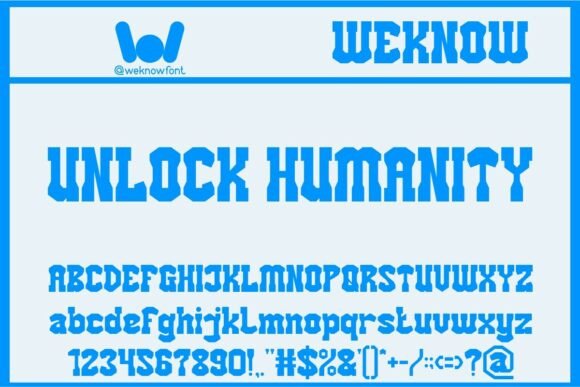
When you first load the Unlock Humanity file, the first thing you notice is the heavy influence of blackletter aesthetics. However, unlike traditional Fraktur or Old English scripts that can feel archaic or difficult to read, this typeface has been modernized for contemporary use. It derives inspiration from mighty blackletter aesthetics that were once prevalent in medieval times, but the architecture of each Unlock Humanity glyph has been streamlined for digital clarity.
The visual personality is bold, structured, and slightly gothic, yet it retains a surprising amount of openness. This makes it distinct from other serif fonts in the market. In typography terms, it sits comfortably as a premium display font. It is designed to be seen, not skimmed. The contrast between the thick vertical stems and the thinner diagonal strokes creates a rhythm that guides the eye naturally. For designers looking for a creative font that adds instant gravitas to a project, this is a strong contender. It bridges the gap between historical elegance and modern minimalism, making it versatile for brands that want to evoke trust and heritage simultaneously.
Unlock Humanity for Logo Design and Brand Identity Systems
I put Unlock Humanity through its paces by testing it on a logo concept for a local artisanal bakery. The goal was to create a mark that felt established and trustworthy. Using the font as the primary logotype, I found that it worked exceptionally well for short phrases. The bold nature of the letters holds up even when scaled down to favicon size, provided the design isn’t overly cluttered.
In a full brand identity system, this font serves best as a headline or accent typeface. I used it for the main business name while pairing it with a clean sans serif font for secondary information like addresses and contact details. This combination created a perfect balance: the Unlock Humanity provided the character and mood, while the supporting typeface ensured readability. For entrepreneurs and small business owners, this pairing strategy is crucial. It allows you to maintain a unique brand voice without sacrificing legibility. The font’s strong structure also works beautifully for embossed logos on packaging, where the depth of the letterforms catches light and shadow effectively.
Unlock Humanity Packaging Design and Product Label Applications
Packaging design requires typography that can survive the transition from screen to physical material. I tested Unlock Humanity on a series of product labels for a handmade soap line. The challenge here is maintaining impact on a small surface area. Because the font is classified under Display Fonts, it is engineered for larger sizes, but it performs surprisingly well on medium-sized labels when used strategically.
The key takeaway from this test is restraint. When I used the font for the entire label text, it became overwhelming. However, using it for the product name—such as "Lavender Calm"—created a striking focal point. The medieval-inspired curves add a tactile quality to the design, making the product feel more artisanal and high-end. For crafters and handmade sellers, this aesthetic is invaluable. It elevates simple products by giving them a sense of history and craftsmanship. Whether it’s a coffee bag, a wine bottle neck label, or a cosmetic box, the font adds a layer of sophistication that generic sans serifs cannot achieve.
Unlock Humanity Web Design and Social Media Graphics Performance
Digital platforms present different constraints than print. I integrated Unlock Humanity into a website header and a set of Instagram posts for a creative studio portfolio. On the web, the font works exceptionally well for hero sections where large text is the primary visual element. It grabs attention immediately, setting the tone before the user scrolls further down the page.
For social media graphics, the font’s bold lines translate well to mobile screens. I created a series of quote cards and promotional banners using the typeface. The high contrast ensures that the text remains readable even on smaller devices. However, it is important to note that this font is not suitable for body text or long-form content. Its complexity can cause eye strain if used for paragraphs. Instead, treat it as a tool for headlines, pull quotes, and call-to-action buttons. By combining it with a modern typography system that includes a highly legible sans serif for captions, you create a dynamic hierarchy that keeps users engaged. This approach is particularly effective for marketers and bloggers who need to stand out in crowded feeds.
Unlock Humanity Font Pairing and Practical Testing Guidelines
One of the most critical aspects of working with Unlock Humanity is knowing what to pair it with. Given its strong blackletter roots, it pairs best with neutral, clean typefaces that do not compete for attention. I found that a geometric sans serif font provides the best contrast, allowing the intricate details of the blackletter to shine without creating visual chaos. Avoid pairing it with other serif fonts or script fonts, as this can lead to a cluttered and unprofessional look.
Before committing to Unlock Humanity for final client work, I recommend extensive testing. Download the included styles and experiment with different weights and alternates if available. Check how the font behaves in various file formats and ensure it renders correctly on both desktop and mobile browsers if you plan to use it for web design. Pay close attention to kerning; display fonts often require manual adjustment to look their best. Additionally, review the licensing agreement carefully. If you are using this for commercial purposes such as client branding, merchandise, or templates, ensure you have the appropriate commercial font license. This protects your business and respects the designer’s intellectual property.
Ultimately, Unlock Humanity is a powerful addition to any designer’s toolkit. It offers a unique blend of historical charm and modern functionality. Whether you are designing a logo, a package, or a website, this font can add a layer of depth and personality that resonates with audiences. It is not a utility font for everyday tasks, but rather a specialized tool for creating memorable brand experiences. If you are looking to inject a sense of tradition and strength into your projects, this display font is worth considering.