Simplemodern Typeface Review: Bold Sans-Serif for Brand Identity
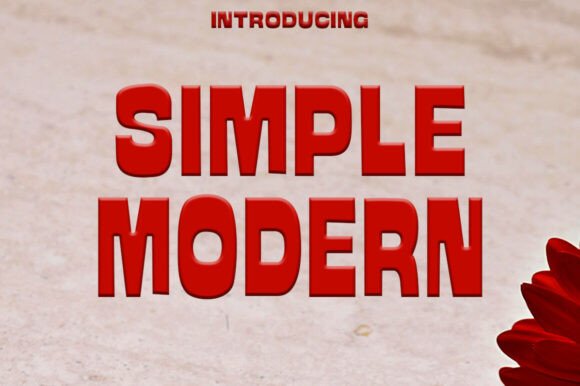
I remember staring at a blank Figma canvas, the cursor blinking mockingly in the center of the screen. The client was a boutique skincare brand that wanted to look "clean but substantial." We had tried every airy, thin geometric sans-serif on the market, and they all felt too fragile for the product’s weight. That was when I dragged Simplemodern into the mix. It wasn’t just another typeface; it was an immediate shift in energy. As a bold sans-serif display font, it immediately captures attention with its thick block letterforms and strong geometric balance. Placing it on the logo draft didn’t just fill space—it anchored the entire composition.
This review isn’t about theoretical typography rules. It’s about what happens when you actually use Simplemodern Fonts in the messy, real-world process of building a brand identity. From packaging mockups to website headers, here is how this typeface performed under pressure.
Simplemodern Logo Design Impact and Visual Hierarchy
When designing a logo, legibility at small sizes often conflicts with personality. However, Simplemodern handles this tension surprisingly well because of its solid strokes and subtle three-dimension effect. In my testing for a local coffee roaster’s rebrand, I used Simplemodern for the primary wordmark. The thick letterforms provided enough visual weight to stand out against busy background textures, yet the geometric precision kept it feeling modern rather than heavy-handed.
The font’s inherent structure allows designers to create strong visual hierarchy without relying on excessive sizing differences. Because each character has such a distinct presence, even medium-sized headlines command respect. This makes Simplemodern ideal for logo design where the name needs to be the undisputed hero. When paired with a lighter sans serif font for subheaders, the contrast creates a sophisticated dynamic that feels intentional and curated. It avoids the generic look of many commercial fonts by offering a unique textural quality that reads as premium.
Simplemodern Packaging Design and Product Label Applications
Packaging design requires typography that can survive the transition from digital screen to physical shelf. I tested Simplemodern on several cosmetic jar labels and snack box prototypes. The bold sans-serif display nature of the font ensures that key information—like product names or taglines—grabs the eye instantly in a crowded retail environment. Its geometric balance prevents the text from looking distorted when curved around cylindrical containers.
One standout feature during these tests was how the font interacted with negative space. The thick blocks of ink created a striking silhouette that worked beautifully in monochrome prints, which is crucial for cost-effective packaging runs. For handmade sellers and online shop owners, using Simplemodern for product labels adds an instant layer of professionalism. It signals that the brand takes its visual identity seriously. Whether applied to minimalist white boxes or vibrant colored sleeves, the typeface maintains its integrity, proving that it is more than just a decorative element—it is a functional tool for brand recognition.
Simplemodern Social Media Graphics and Digital Marketing Assets
In the fast-scrolling world of Instagram and TikTok, static images need to stop the thumb mid-swipe. I incorporated Simplemodern into a series of social media graphics for a creative studio portfolio. The font’s ability to convey confidence through simplicity made it perfect for quote cards, announcement banners, and promotional posters. Unlike script fonts or handwritten fonts that can feel overly casual or hard to read on mobile devices, Simplemodern offers clarity without sacrificing style.
For content creators and marketers, efficiency is key. Using a versatile Display font like Simplemodern reduces the need to juggle multiple typefaces for different campaign assets. It works equally well as a headline font for email newsletters or as an accent font for sale announcements. The geometric consistency ensures that your brand looks cohesive across all platforms. When designing web design elements like homepage hero sections or blog post headers, the font’s bold presence helps guide the user’s eye directly to the most important messages, improving overall engagement metrics.
Simplemodern Font Pairing Strategies for Modern Typography Systems
No single font can do everything, and Simplemodern is no exception. While it shines as a display font, it is not suited for long body text. To build a complete modern typography system, pairing is essential. I found that Simplemodern pairs exceptionally well with clean, neutral sans serif fonts for body copy. The contrast between the bold, structural headliners and the airy, readable body text creates a balanced typographic rhythm.
For projects requiring a touch of elegance, such as wedding invitations or luxury branding, pairing Simplemodern with a classic serif font can yield stunning results. The juxtaposition of the rigid, geometric blocks against the organic curves of a serif creates a dynamic tension that feels high-end and editorial. Avoid pairing it with other display fonts, as the competition for attention will clutter the design. Instead, let Simplemodern remain the star, supported by understated supporting typefaces. This approach ensures that your brand identity remains focused and memorable.
Simplemodern Limitations and Best Use Cases for Commercial Projects
Honesty is crucial in any font review. While Simplemodern is powerful, it has specific limitations. Due to its thick stroke width and geometric nature, it can become illegible at very small sizes. It is not recommended for fine print, legal disclaimers, or dense paragraphs of text. Additionally, its bold personality might overpower designs that require subtlety, such as formal corporate reports or minimalist medical branding. It is best reserved for short phrases, titles, logos, and impactful statements.
Before integrating Simplemodern into final client work, always test it in context. Create realistic mockups to see how it interacts with your chosen color palette and imagery. Check the included styles, alternates, and ligatures if available, as these can add nuance to your designs. Remember to review the commercial font licensing terms carefully. If you are using this font for merchandise, templates, or print-on-demand products, ensure you have the appropriate rights. By understanding both the strengths and constraints of Simplemodern, designers can leverage its bold character to create compelling, professional brand identities that resonate with audiences.